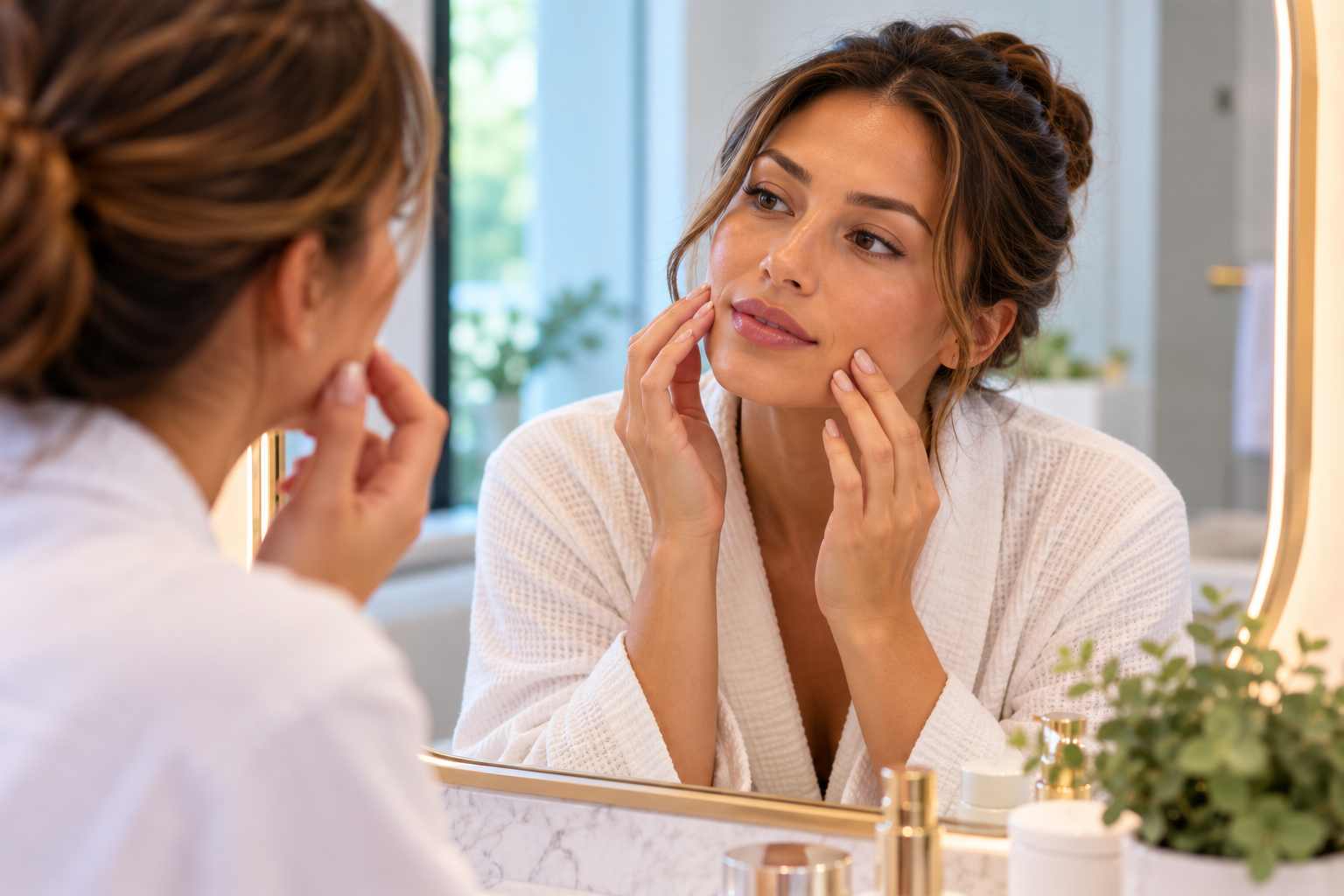
You just had fillers, and now you are studying your reflection more closely than you ever have. A little puffiness, a faint bruise, maybe a spot that feels firmer than the rest. Is that normal?
In most cases, yes. Mild swelling, redness, tenderness, and occasional bruising are common after facial fillers and usually settle on their own within days. A smaller number of symptoms, such as unusual pain or skin that turns pale or dusky, are not normal and need prompt medical attention. This guide walks you through the difference, so you can recover with confidence instead of guesswork.
At Dermatology Associates of Georgia, fillers are provided within a physician-led dermatology practice, which means your aftercare questions are answered by a team that understands skin, anatomy, and safety first.
What Should You Expect Right After Filler Treatment?
Right after treatment, it is common to notice some swelling, redness, and tenderness at the injection sites. Most people can return to their normal routine the same day. The practice's facial fillers page notes that appointments typically take 30 minutes to an hour and that temporary swelling, bruising, or redness usually resolves within a few days.
The American Academy of Dermatology (AAD) describes a similar picture: common side effects include redness, swelling, tenderness, and occasional bruising, which usually fade within 7 to 14 days (AAD: Fillers FAQs). That range matters. Some people look fully settled in two or three days, while others need closer to two weeks, especially in more delicate areas like the lips.
Why does swelling happen?
Swelling is your tissue's natural response to needles and to the gel being placed beneath the skin. Hyaluronic acid fillers also attract water, which can make an area look slightly fuller during the first few days before it settles into its final shape.
Why do some people bruise and others don't?
Bruising depends on the area treated, the small blood vessels in that area, and personal factors such as certain medications and supplements. The AAD recommends telling your dermatologist about everything you take, including aspirin, ibuprofen, warfarin, vitamin E, St. John's wort, garlic, and ginger supplements, even if it seems unimportant (AAD: Fillers Preparation). Never stop a prescribed medication on your own; ask the prescribing physician first.
What Does a Typical Filler Recovery Timeline Look Like?
Every face heals on its own schedule, but this general timeline helps set realistic expectations.
- Day 1 to 2: Swelling and tenderness are usually most noticeable. Small injection marks may also be visible.
- Day 3 to 7: Swelling typically begins to ease, while bruising may change from purple to green or yellow as it fades.
- Week 1 to 2: Most remaining puffiness and bruising gradually resolve, allowing the treated area to look and feel more natural.
- Around Week 2 and Beyond: This is generally a better time to evaluate your results, as early swelling can temporarily affect the shape and symmetry of the treated area.
If your filler looks uneven during the first few days, don't rush to conclusions. Mild asymmetry can result from temporary swelling rather than the final outcome. However, severe or increasing pain, unusual skin discoloration, or vision changes require immediate medical attention.
Is It Normal to Feel a Lump or Bump After Fillers?
A small area of firmness right after treatment can be part of normal swelling and often softens as the tissue settles. However, a lump that is painful, growing, red, warm, or still present after the initial healing period deserves a call to your provider.
The U.S. Food and Drug Administration (FDA) lists less common effects of fillers that include nodules, infection, and allergic reactions, and notes that some side effects can appear weeks, months, or even years later (FDA: Dermal Fillers). That is not a reason for alarm. It is a reason to keep an open line with the practice that treated you rather than trying to massage or fix anything on your own.
Which Symptoms After Fillers Are Not Normal?
A small number of symptoms need immediate attention. The FDA explains that the most serious, though uncommon, risk of fillers is accidental injection into a blood vessel, and it lists warning signs to watch for:
- Unusual or severe pain during or shortly after treatment
- Skin that turns white (blanching), or looks gray, blue, or dusky near the injection site
- Any change in vision
- Stroke-like symptoms such as facial drooping, weakness, numbness, trouble speaking, severe headache, dizziness, or confusion
If you notice any of these, the FDA advises seeking emergency care right away. Also contact the practice that treated you. For anything less urgent but concerning, such as increasing redness, warmth, or a tender lump, call your dermatology office so a clinician can evaluate it.
How Can You Support a Smooth Recovery?
Your provider will give you instructions specific to your treatment, and those always come first. The practice also offers general after-care information for patients. Common-sense habits that support healing include:
- Following your provider's guidance on exercise, heat, and alcohol in the first day or so
- Avoiding pressing, rubbing, or massaging treated areas unless you are specifically told to
- Keeping the skin clean and waiting on makeup until your provider says it is fine
- Using a cool compress for comfort if your provider recommends it
- Protecting your skin from the sun with broad-spectrum sunscreen as it heals
How Do Different Lifestyles Shape Filler Recovery?
Filler recovery is usually brief, but how you plan for it depends a lot on your life outside the treatment room.
Busy professionals: planning around meetings and video calls
If your calendar is packed with client meetings, presentations, or long days on camera, timing matters more than downtime. Most people return to work the same day, yet a visible bruise can still feel inconvenient. Many working professionals in Decatur and around DeKalb County choose a Thursday or Friday appointment, giving swelling a weekend to calm down. If you have a major event, such as a pitch, a conference, or professional headshots, it is wise to schedule fillers at least two weeks ahead so any bruising has time to fade.
Younger adults: separating trends from medical care
Social media has made fillers feel casual, especially for people in their twenties trying them for the first time. Real recovery rarely matches a filtered after photo, and that is perfectly normal. The FDA notes that filler safety has not been established in patients under 22, which is one more reason younger adults benefit from a thorough consultation with a dermatology provider rather than a quick appointment elsewhere. The AAD also stresses that filler injection is a medical procedure that should never be done at a party, salon, or someone's home. If you are early in your aesthetic journey, our article on what younger adults in Decatur should know before booking Botox offers similar guidance on making thoughtful first choices.
Women balancing makeup, events, and self-care
Many women want to know when they can wear makeup again or how soon fillers will look natural in photos. Ask your provider for a specific makeup timeline, since it depends on the area treated and how your skin is healing. If you are planning around a wedding, reunion, or holiday gathering, build in that two-week cushion so swelling has settled before the cameras come out.
How Long Do Fillers Last After Recovery?
Once swelling settles, the result you see is your true outcome. How long that result lasts depends on the type of filler and the area treated. The AAD notes that hyaluronic acid gel fillers typically last about 4 to 12 months, while calcium hydroxylapatite lasts about 6 months to 1 year. Dermatology Associates of Georgia offers FDA-approved fillers including Juvéderm, Restylane, and Radiesse, and your provider will help you choose based on your goals, anatomy, and lifestyle.
If you are wondering whether volume loss is behind a tired look, our article on why your face may look tired even when you are rested explores that concern in more detail.
Frequently Asked Questions About Recovery After Fillers
How long does swelling last after fillers?
Swelling is usually most noticeable in the first one to two days and often improves within a few days. The AAD notes that common side effects, including swelling and bruising, usually fade within 7 to 14 days.
Can I go back to work after getting fillers?
Most people return to work the same day. If you are worried about visible bruising during important meetings or on camera, consider scheduling your appointment before a weekend or at least two weeks ahead of a major event.
Is it normal for lip fillers to look uneven at first?
Mild unevenness in the first few days is often due to swelling, which can affect one side more than the other. It is best to wait until swelling settles, often around two weeks, before judging the result. If you have concerns, contact your provider.
When should I call my provider after fillers?
Call your provider about increasing pain, redness, warmth, or a lump that is tender or growing. Seek emergency care right away for skin blanching or dusky color, vision changes, or stroke-like symptoms, as the FDA advises.
Are fillers safe for people in their early twenties?
The FDA states that filler safety has not been established for patients under 22. A consultation with a dermatology provider can help you understand whether treatment makes sense for you and which options, if any, fit your goals.
Patience Now, Polish Later
The first few days after fillers are rarely the final word. A little swelling or a faint bruise is usually just your skin doing its job, and knowing which signs are normal, and which ones are not, makes recovery far less stressful.
If you are considering fillers or have questions about a past treatment, our team at Dermatology Associates of Georgia in Decatur is here to help. Visit our office at 1951 Clairmont Road, Decatur, GA 30033, call (404) 321-4600, or request an appointment online to start with a personalized consultation.


