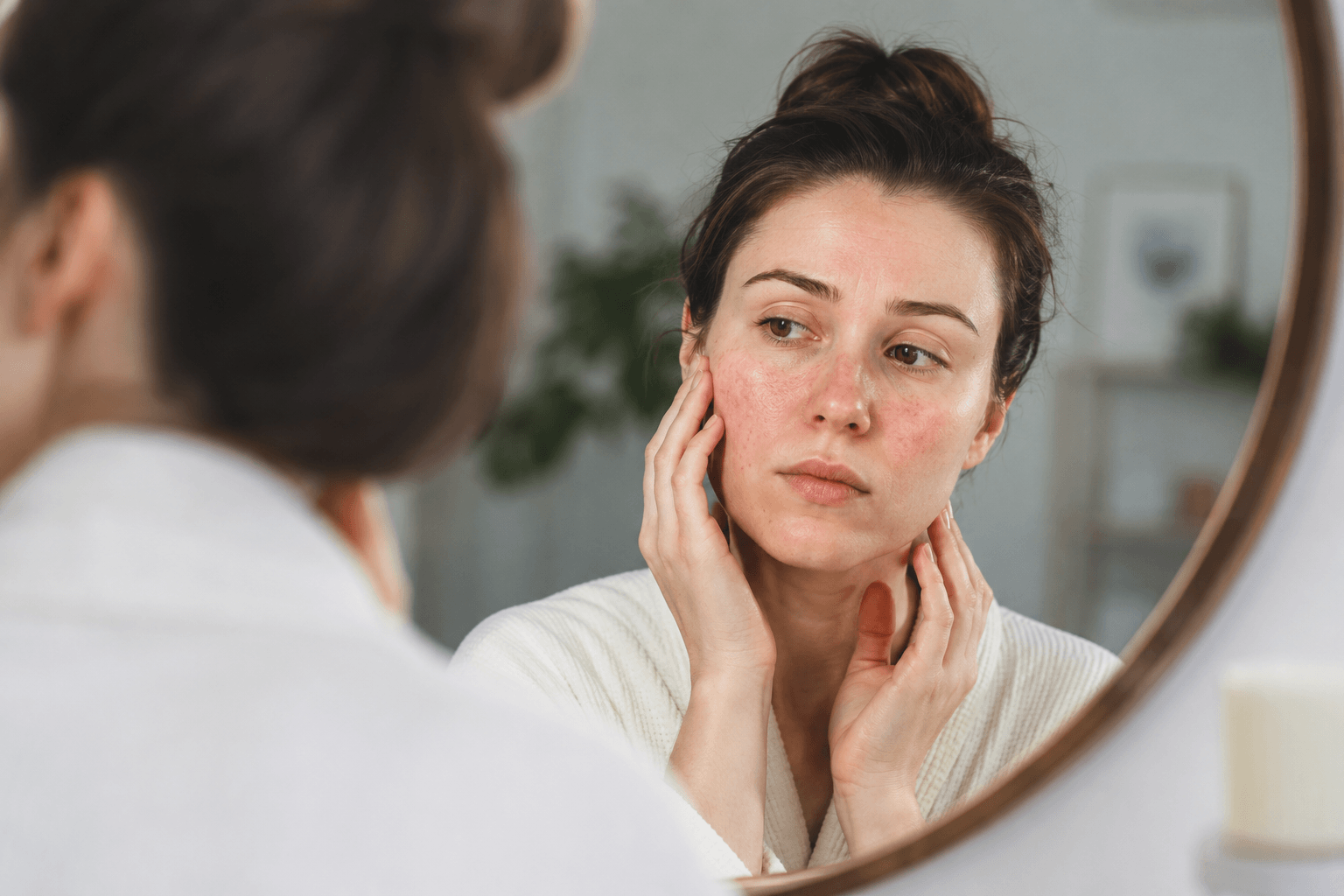
Facial redness, bumps, and breakouts are often dismissed as “just acne.” But for many adults in Buckhead, Piedmont, and across Atlanta, the real culprit may be something else entirely. Rosacea is frequently mistaken for acne, and treating the wrong condition can make symptoms worse instead of better.
If you have persistent redness, flushing, or breakouts that do not respond to traditional acne products, it may be time to look closer. This guide, updated June 2026, breaks down the differences between acne and rosacea, explains why certain treatments fail, and outlines when to consider professional Rosacea Treatment.
What Are the Key Differences Between Acne and Rosacea?
Although acne and rosacea can look similar at first glance, they are fundamentally different skin conditions.
Acne: A Pore-Based Condition
Acne develops when pores become clogged with oil, dead skin cells, and bacteria. It commonly appears as:
- Blackheads and whiteheads
- Inflamed red pimples
- Deep cystic nodules
- Oily skin
- Breakouts on the face, chest, and back
Acne can affect teens and adults, but it often starts in adolescence.
Rosacea: A Vascular and Inflammatory Condition
Rosacea is a chronic inflammatory condition that primarily affects the central face. It is not caused by clogged pores. Instead, it involves hypersensitive blood vessels and inflammation. Common signs include:
- Persistent facial redness
- Flushing that comes and goes
- Visible broken capillaries
- Burning or stinging sensations
- Red bumps that resemble acne
Unlike acne, rosacea typically appears in adults over 30 and is most common on the cheeks, nose, chin, and forehead.
The Most Important Distinction
One of the clearest differences is the presence of blackheads. Acne almost always includes blackheads or whiteheads. Rosacea does not.
If your skin is red and inflamed but lacks clogged pores, you may be dealing with rosacea rather than acne.
Can Rosacea Cause Bumps and Pimples?
Yes. This is where confusion often begins.
One subtype of rosacea, called papulopustular rosacea, causes red bumps and pus-filled pimples that look very similar to acne. However, these breakouts are driven by inflammation and vascular instability, not oil and bacteria buildup.
These bumps often:
- Appear alongside flushing and redness
- Feel tender or sensitive
- Develop in clusters on the cheeks and nose
- Flare with triggers like heat, stress, or spicy foods
In Buckhead and Piedmont, environmental factors such as humidity, sun exposure, and temperature changes can easily trigger flare-ups.
If your “acne” seems to worsen after a glass of wine, a hot yoga class, or time outdoors in Atlanta’s summer heat, rosacea is a strong possibility.
Why Don’t Acne Products Help Rosacea?
Many patients try over-the-counter acne treatments first. Unfortunately, this often makes rosacea worse.
Acne Products Target Oil and Bacteria
Typical acne treatments contain ingredients such as:
- Benzoyl peroxide
- Salicylic acid
- Retinoids
These are designed to reduce oil production and clear clogged pores. While effective for acne, they can strip the skin barrier and increase irritation.
Rosacea Skin Is Highly Sensitive
Rosacea-prone skin is already inflamed and reactive. Harsh products can lead to:
- Increased redness
- Burning sensations
- Peeling and dryness
- More visible blood vessels
Instead of calming the condition, acne treatments can intensify it.
This is why professional evaluation matters. Proper Rosacea Treatment in Buckhead focuses on reducing inflammation and stabilizing the skin barrier rather than drying it out.
Which Treatments Work Best for Rosacea Flare-Ups?
Rosacea management requires a targeted approach based on the specific subtype and severity.
At Dermatology Associates of Georgia, treatment plans are customized to each patient. Common approaches include:
Prescription Topicals
Medications may help reduce inflammation and decrease redness over time. These are far more effective and gentler than typical acne products.
Oral Medications
For moderate to severe flare-ups, short-term oral therapy can calm inflammation from within.
Laser and Light-Based Treatments
For patients with persistent redness or visible blood vessels, laser therapy may help reduce vascular symptoms and improve overall tone.
Medical-Grade Skincare
Barrier-repair moisturizers and gentle cleansers play a major role in long-term control. Avoiding triggers and maintaining a consistent routine is essential.
If you are researching Rosacea Treatment, it is important to remember that there is no one-size-fits-all solution. The best outcomes come from a personalized plan created by a dermatologist who understands the condition.
When Should You See a Dermatologist?
Many people wait months or even years before seeking help. Early evaluation can prevent progression and long-term skin changes.
You should schedule an appointment if you notice:
- Persistent facial redness that does not fade
- Frequent flushing episodes
- Breakouts that do not respond to acne treatments
- Burning or stinging skin
- Visible broken capillaries
- Thickening skin around the nose
Rosacea is a chronic condition. While it cannot be permanently cured, it can be effectively managed with the right strategy.
For residents of Buckhead, Piedmont, and greater Atlanta, timely professional care can prevent worsening symptoms and restore confidence.
Rosacea vs. Other Conditions: Why Diagnosis Matters
Rosacea is sometimes confused not only with acne but also with:
- Perioral dermatitis
- Lupus-related rashes
- Contact dermatitis
- Seborrheic dermatitis
Each of these requires a different treatment approach. Self-diagnosing can delay improvement and potentially worsen inflammation.
A board-certified dermatologist can accurately determine the cause of your redness and create a safe, evidence-based treatment plan.
Lifestyle Triggers to Watch in Atlanta
Living in Georgia presents unique environmental triggers for rosacea sufferers.
Common local triggers include:
- Heat and humidity
- Intense sun exposure
- Spicy Southern cuisine
- Alcohol, especially red wine
- Emotional stress
Keeping a symptom journal can help identify personal triggers. Combining trigger avoidance with professional Rosacea Treatment in Buckhead often provides the best long-term control.
FAQs About Rosacea and Acne
Is rosacea the same as adult acne?
No. While both conditions can cause red bumps, rosacea is a chronic inflammatory and vascular disorder, not a pore-clogging condition like acne. Treatment strategies differ significantly.
Can I treat rosacea with acne face wash?
Most acne cleansers are too harsh for rosacea-prone skin. They often worsen redness and irritation. A dermatologist can recommend gentle, medical-grade skincare better suited for Rosacea Treatment.
Does rosacea go away on its own?
Rosacea typically does not resolve without treatment. Symptoms may fluctuate, but professional management helps prevent progression and long-term skin changes.
Is laser therapy safe for rosacea?
Certain laser treatments can safely reduce visible blood vessels and persistent redness when performed by experienced providers. A consultation helps determine candidacy.
Where can I find Rosacea Treatment in Buckhead?
Dermatology Associates of Georgia provides comprehensive dermatologic care for patients in Buckhead, Piedmont, and the greater Atlanta area. A personalized evaluation ensures the right treatment plan for your specific symptoms.
Red or Just Misunderstood? Let’s Clear Things Up
If you have been battling stubborn redness or breakouts that refuse to respond to acne treatments, your skin may be asking for a different approach.
Rosacea and acne may look similar, but they behave very differently. Understanding those differences is the first step toward clearer, calmer skin. With the right diagnosis and a customized plan, flare-ups can be controlled and confidence restored.
If you live in Buckhead, Piedmont, or Atlanta, and suspect rosacea, scheduling a professional evaluation can make all the difference. Your skin deserves clarity, not confusion.
Contact us | Blog

.svg)
.svg)