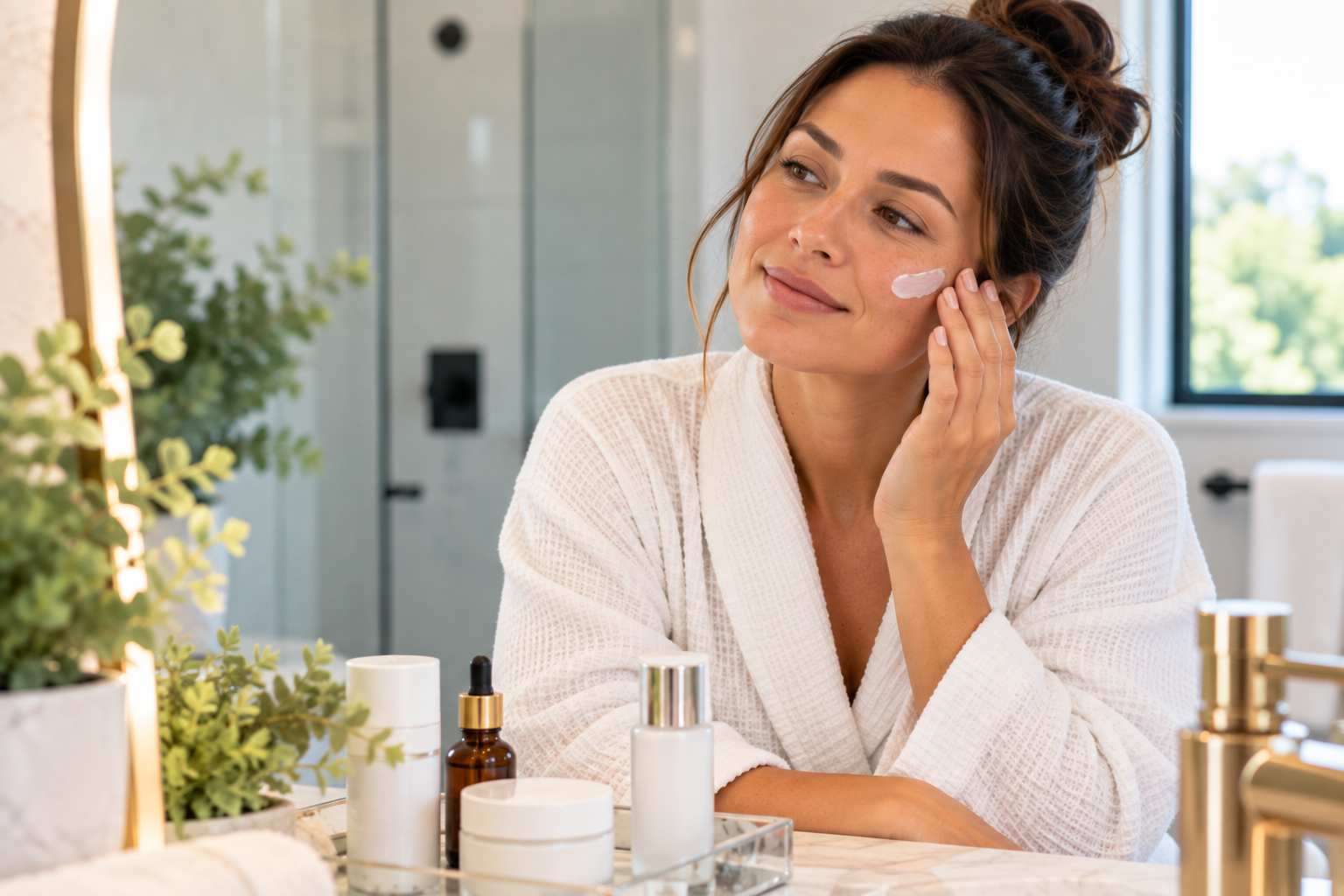
If you've ever stood in front of a bathroom mirror juggling five different bottles, wondering which order they go in or whether any of it is actually doing something, you're not alone. Between viral routines online and the sticky, sun-drenched climate here in Decatur, Georgia, figuring out which skin care practices genuinely matter can feel more confusing than it should be.
The truth is, good skin health doesn't require a ten-step routine or a cart full of trending products. It requires a handful of consistent, dermatologist-informed habits that are suited to your skin type, your age, and the environment you actually live in. For Decatur residents, that means accounting for humid summers, intense UV exposure nearly year-round, and seasonal shifts that can throw even a well-built skincare practice out of balance.
This guide walks through what a genuinely effective daily routine looks like, the everyday habits that quietly damage your skin barrier, how to adjust as the seasons change, and how to make sense of the skincare trend explosion among tweens and teens. Whether you're building a routine from scratch or troubleshooting one that isn't working, this is the practical, no-fluff version.
What Does an Effective Daily Skin Care Routine Actually Include?
A genuinely effective routine comes down to three non-negotiables: gentle cleansing, appropriate moisturizing, and daily sun protection. Everything else is optional and should be added based on your specific skin concerns, not because it's trending.
How Should You Cleanse Without Stripping Your Skin?
Cleansing should remove dirt, oil, and sunscreen without leaving your skin feeling tight or squeaky. A tight, dry feeling after washing usually means the cleanser is too harsh for your skin type. In Decatur's humid months, a lightweight gel or foaming cleanser tends to work well, while drier winter air often calls for a creamier, hydrating formula. Washing twice a day, morning and night, is generally enough for most people. Over-cleansing is one of the most common skin care practices gone wrong, and it can leave skin more irritated than it started.
What Order Should Products Be Applied In?
The general rule is thinnest to thickest: cleanser, then any treatment serums, then moisturizer, then sunscreen in the morning. Applying products out of order, like layering a heavy cream underneath a lightweight serum, can prevent active ingredients from absorbing properly. If you're using a prescribed treatment for a condition like acne or rosacea, follow your provider's specific layering instructions, since those often differ from a standard cosmetic routine.
Why Does Sun Protection Matter So Much in Georgia?
Georgia's UV index stays moderate to high for most of the year, and Decatur's humidity doesn't reduce that exposure, it just makes sunscreen feel less pleasant to wear. Daily broad-spectrum SPF 30 or higher is one of the single most effective anti-aging and skin-cancer-prevention habits available, and it matters even on cloudy days or during short outdoor errands. Lightweight, non-greasy mineral or hybrid formulas tend to hold up better in humid weather and are less likely to get skipped.
Should You Moisturize Even If You Have Oily Skin?
Yes. Skipping moisturizer because your skin feels oily often backfires, triggering the skin to produce even more oil to compensate for dehydration. A lightweight, oil-free, or gel-based moisturizer can hydrate without adding heaviness, and it helps maintain the skin barrier that keeps irritants and bacteria out.
What Everyday Habits Quietly Damage Your Skin Barrier?
The skin barrier is the outermost layer that keeps moisture in and irritants out, and it's more fragile than most people realize. Common habits like over-exfoliating, using too many active ingredients at once, or skipping sunscreen can wear it down gradually without an obvious warning sign until redness, sensitivity, or breakouts show up.
Is Over-Exfoliating a Real Problem?
Yes, and it's one of the most frequent issues seen in everyday skin care practices. Using physical scrubs, acid toners, and retinoids all in the same week can strip the skin faster than it can repair itself, leading to redness, flaking, and increased sensitivity to sun and other products. Most people only need to exfoliate two to three times a week at most, and layering multiple exfoliating products at once should generally be avoided.
Why Should You Patch Test New Products?
Patch testing means applying a small amount of a new product to an inconspicuous area, like behind the ear or on the inner forearm, and waiting 24 to 48 hours before using it on your face. This simple step catches irritation or allergic reactions before they affect visible skin, and it's especially important for anyone with a history of eczema, rosacea, or contact dermatitis, since new ingredients can trigger flare-ups. It's a small habit that prevents a lot of frustration later.
Can Skipping Sunscreen Really Undo Your Routine?
It can undo a significant portion of it. Unprotected UV exposure accelerates fine lines, uneven pigmentation, and texture changes, and it works against nearly every other product in a routine designed to improve skin tone and firmness. Consistent daily sunscreen is one of the few habits with research consistently behind it.
How Should Skin Care Change With the Seasons in Decatur?
Skin needs shift with humidity, temperature, and sun intensity, so a routine that works in July often needs adjusting by December. The core steps stay the same, but texture, weight, and frequency of products should flex with the season.
What Changes During Decatur's Hot, Humid Summers?
Lighter formulas generally perform better when humidity is high. Heavy creams can trap sweat and oil against the skin, contributing to clogged pores and breakouts. Gel moisturizers, oil-free sunscreens, and more frequent reapplication of SPF during outdoor time tend to work best from late spring through early fall.
What Adjustments Help During Cooler, Drier Months?
As humidity drops in winter, many people notice more flaking, tightness, or sensitivity. Switching to a richer moisturizer, cutting back on exfoliation frequency, and continuing daily sunscreen (UV exposure doesn't disappear in winter) usually keeps skin more comfortable through the colder stretch of the year.
What's Behind the Skincare Trend Among Tweens, Teens, and Gen Z?
Social media has turned skincare into entertainment, and younger audiences, sometimes referred to as "Sephora kids," are picking up multi-step routines and adult anti-aging products well before their skin actually needs them. The concern isn't that young people are interested in skin health, it's that many are using strong active ingredients meant for mature or damaged skin on skin that's still developing.
Is It Safe for Tweens and Teens to Use Retinol or Strong Acids?
Generally, no, not without guidance. Ingredients like retinol, glycolic acid, and other strong exfoliating acids are formulated to address concerns like fine lines and sun damage, issues that simply don't apply to most preteen and teenage skin. Using them too early or too frequently can cause redness, peeling, increased sun sensitivity, and a damaged skin barrier, sometimes creating the very problems the products claim to prevent.
What Does Younger Skin Actually Need?
For most tweens and teens, skincare needs are refreshingly simple: a gentle cleanser, a lightweight moisturizer, and daily sunscreen. If acne becomes a concern, which is extremely common during adolescent hormonal changes, an appropriately targeted approach is more effective and much gentler than adopting a full adult anti-aging routine.
When Should a Young Person See a Dermatology Provider Instead of Following Trends?
If a teen is dealing with persistent acne, unexplained rashes, or skin that reacts badly to products, that's a good sign it's time to move past trial-and-error and get a personalized evaluation. A dermatology provider can identify what's actually going on, whether it's hormonal acne, eczema, or something else, and build a routine suited to the skin in front of them rather than whatever is trending that week. This guidance holds true for people of any age, and Decatur families can review the practice's full range of dermatology and skincare services on the services page to see what's available locally.
When Should You See a Dermatology Provider About Your Routine?
If your skin isn't responding to consistent, gentle care, or if you're dealing with a persistent condition, it's worth getting a professional opinion rather than continuing to guess. Everyday skin care practices work well for general maintenance, but conditions like acne, rosacea, and eczema often need a more targeted, medically guided approach to actually improve. For a closer look at building a routine suited to sensitive skin specifically, this related read on advanced skincare solutions for sensitive skin is worth a look.
This guidance has been updated this September 2026 to reflect current dermatology recommendations and the seasonal realities of skin health in the Decatur area.
Frequently Asked Questions
What is the most important skin care practice for people living in Decatur, Georgia? Daily broad-spectrum sunscreen is consistently the most impactful habit, given the region's year-round UV exposure and humidity. Pairing it with gentle cleansing and appropriate moisturizing rounds out a solid foundation.
How often should I really be exfoliating? Most skin types do well with exfoliating two to three times a week. More frequent exfoliation can damage the skin barrier and lead to increased sensitivity and breakouts.
Are trending skincare products from social media safe for teenagers? Not always. Many viral products contain active ingredients designed for adult or mature skin concerns, which can be too harsh for younger skin and may cause irritation or barrier damage.
How do I know if I need to see a dermatology provider instead of adjusting my routine myself? If breakouts, redness, or irritation persist despite a consistent, gentle routine, or if you suspect a condition like acne, rosacea, or eczema, a professional evaluation can identify what's actually happening and guide more effective treatment.
Should my skincare routine change between seasons in Georgia? Yes. Lighter, oil-free formulas tend to work better in Decatur's humid summers, while richer moisturizers and gentler exfoliation help skin stay balanced during drier winter months.
Good Skin Habits Aren't Complicated, They're Just Consistent
At the end of the day, the best routine isn't the one with the most products or the most viral endorsements, it's the one you'll actually stick with. A gentle cleanser, the right moisturizer, and daily sunscreen will outperform a trendy ten-step routine nearly every time, especially here in Decatur where sun exposure is a year-round consideration.
If your skin needs more than the basics can offer, the team at Derm Associates of Georgia is ready to help you build a routine that actually fits your skin. You can request an appointment to get a personalized plan, whether you're managing a specific condition or simply want expert guidance on what your skin really needs.


