Updated June 2026
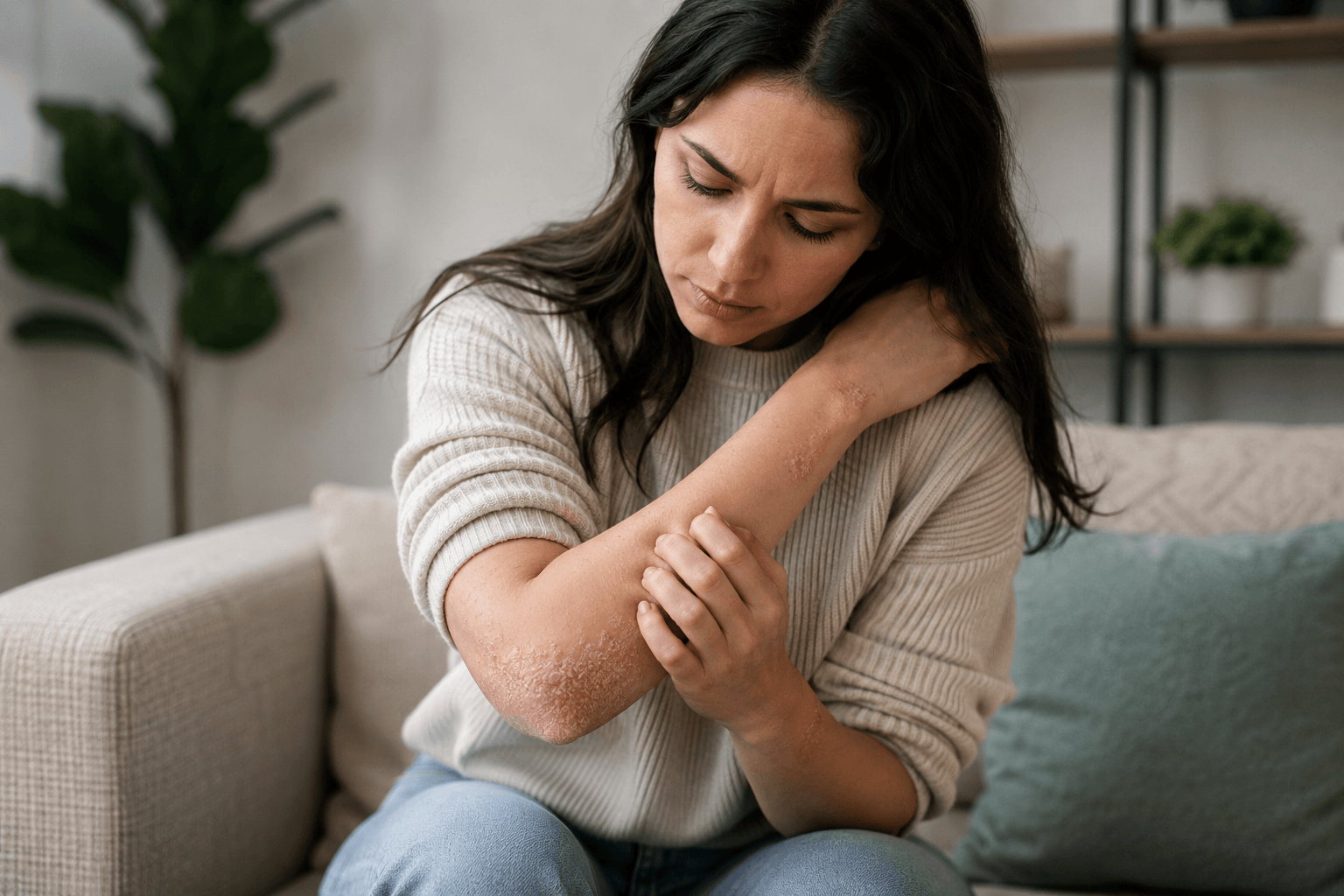
Living with psoriasis can feel unpredictable. One week your skin may be calm and manageable, and the next you may notice new patches, increased itching, or worsening inflammation. While psoriasis is a chronic autoimmune condition, many flare-ups are linked to specific triggers that can often be identified and managed.
Understanding what causes psoriasis symptoms to worsen is one of the most important steps in long-term skin health. By recognizing common triggers and working with a dermatologist, patients can reduce the frequency and severity of flare-ups while improving their quality of life.
For individuals seeking Psoriasis Treatment in the Atlanta area, learning about these triggers can help support a more personalized and effective management plan.
Understanding Why Psoriasis Flare-Ups Happen
Psoriasis occurs when the immune system mistakenly accelerates skin cell production. Instead of shedding normally, skin cells accumulate on the surface, leading to thick, red, scaly plaques.
Although genetics play a significant role in developing psoriasis, environmental and lifestyle factors often determine when symptoms appear or worsen. A trigger does not cause psoriasis itself, but it can activate inflammation that leads to a flare-up.
Common psoriasis triggers include:
- Emotional stress
- Changes in weather
- Certain medications
- Infections
- Skin injuries
- Smoking
- Excessive alcohol consumption
- Dietary factors
Because triggers vary from person to person, identifying your individual patterns is often an important part of successful Psoriasis Treatment.
Can Stress Cause Psoriasis Flare-Ups?
Stress is one of the most frequently reported psoriasis triggers.
When the body experiences emotional or physical stress, it releases hormones that can increase inflammation throughout the body. Since psoriasis is already driven by an overactive immune response, stress can intensify symptoms and make flare-ups more likely.
Many patients notice worsening symptoms during periods of:
- Work-related pressure
- Financial concerns
- Family challenges
- Major life changes
- Lack of sleep
Unfortunately, psoriasis itself can also create emotional stress, leading to a cycle where stress worsens symptoms and symptoms increase stress.
Managing Stress to Help Control Psoriasis
While eliminating stress entirely is impossible, healthy coping strategies may help reduce flare frequency.
Consider incorporating:
- Regular exercise
- Meditation or mindfulness practices
- Adequate sleep
- Deep breathing exercises
- Counseling or therapy when needed
- Support groups for chronic skin conditions
Patients throughout Buckhead, Piedmont, and Atlanta often find that combining medical care with stress-management techniques creates better long-term outcomes.
Do Weather Changes Affect Psoriasis?
Yes. Weather changes are another common trigger for psoriasis symptoms.
Many individuals notice worsening symptoms during colder months. Winter weather often brings:
- Lower humidity levels
- Dry indoor heating
- Reduced sun exposure
- Increased skin dryness
These factors can contribute to inflammation and scaling.
On the other hand, some patients experience improvement during warmer months due to increased sunlight exposure. Controlled ultraviolet light can help slow excessive skin cell growth.
Protecting Your Skin During Seasonal Changes
To reduce weather-related flare-ups:
Keep Skin Moisturized
Using fragrance-free moisturizers daily can help maintain the skin barrier and reduce dryness.
Avoid Overly Hot Showers
Hot water can strip natural oils from the skin and worsen irritation.
Use a Humidifier
Adding moisture to indoor air can help prevent excessive skin dryness during colder seasons.
Follow Your Treatment Plan
Consistent use of prescribed medications helps maintain control even when environmental conditions change.
Which Medications May Trigger Psoriasis Symptoms?
Certain medications have been associated with psoriasis flare-ups or worsening symptoms in susceptible individuals.
Common examples include:
- Lithium
- Some blood pressure medications such as beta blockers
- Certain antimalarial drugs
- Interferons
- Some anti-inflammatory medications
Not everyone will react to these medications, but they may contribute to flare activity in certain patients.
Never Stop Medication Without Medical Guidance
If you suspect a medication is affecting your psoriasis, speak with both your prescribing physician and dermatologist before making changes.
Stopping medication abruptly can create serious health risks. Instead, healthcare providers can determine whether alternative options are available and appropriate.
Can Diet Influence Psoriasis Severity?
Diet remains an area of ongoing research, but many patients report a connection between certain foods and symptom severity.
While there is no universal psoriasis diet, some eating habits may support overall health and potentially reduce inflammation.
Foods That May Contribute to Inflammation
Some individuals notice worsening symptoms after consuming:
- Highly processed foods
- Excessive sugar
- Alcohol
- Foods high in saturated fats
Because triggers vary, keeping a food journal may help identify patterns.
Foods That May Support Skin Health
Many healthcare professionals encourage a balanced diet that includes:
- Fruits and vegetables
- Lean proteins
- Omega-3-rich fish
- Whole grains
- Healthy fats
Maintaining a healthy weight may also help reduce systemic inflammation and improve treatment outcomes.
Patients pursuing Psoriasis Treatment should view nutrition as one component of an overall management strategy rather than a standalone solution.
Other Common Psoriasis Triggers to Know
While stress, weather, medications, and diet receive significant attention, other factors can also contribute to flare-ups.
Skin Injuries
Cuts, scrapes, burns, and even sunburns may trigger psoriasis lesions in previously unaffected areas. This phenomenon is known as the Koebner response.
Infections
Strep throat and other infections can trigger psoriasis flares, especially guttate psoriasis.
Smoking
Research continues to show a strong connection between smoking and increased psoriasis severity.
Excessive Alcohol Consumption
Alcohol may increase inflammation and interfere with treatment effectiveness.
Recognizing these additional triggers can help patients develop a more comprehensive prevention strategy.
How Can You Reduce Future Flare-Ups?
Although psoriasis cannot currently be cured, many people successfully manage symptoms and reduce flare frequency.
A proactive approach often includes:
Identify Personal Triggers
Keeping a symptom journal can help uncover patterns related to stress, weather, diet, or lifestyle habits.
Follow Treatment Recommendations Consistently
Skipping medications or treatments can increase the risk of symptom recurrence.
Prioritize Skin Care
Gentle cleansers, daily moisturization, and sun protection help support skin health.
Manage Overall Wellness
Exercise, sleep, stress management, and healthy nutrition all contribute to overall immune system balance.
Schedule Regular Dermatology Visits
Routine evaluations allow treatment plans to be adjusted as symptoms and needs change over time.
For individuals in Buckhead, Piedmont, Decatur, and throughout Atlanta, working closely with a dermatologist remains one of the most effective ways to achieve long-term symptom control.
When Should You Seek Professional Psoriasis Treatment?
If psoriasis symptoms are affecting your daily life, causing discomfort, or becoming increasingly difficult to manage, professional evaluation is recommended.
A dermatologist can determine the severity of your condition and recommend appropriate treatment options based on your individual needs. Early intervention may help prevent complications and improve long-term outcomes.
Because psoriasis can affect both physical and emotional well-being, comprehensive care often provides benefits beyond skin improvement alone.
Keeping Flare-Ups in Check Without Letting Them Run the Show
Psoriasis may be a lifelong condition, but it does not have to control your life. Understanding common triggers such as stress, weather changes, medications, dietary habits, and lifestyle factors can help you take a more proactive approach to symptom management.
By identifying your personal triggers, maintaining healthy habits, and seeking professional Psoriasis Treatment when needed, you can reduce flare-ups and enjoy healthier skin throughout the year. For patients throughout Buckhead, Piedmont, Decatur, and the greater Atlanta area, staying informed is one of the most powerful tools for managing psoriasis successfully.
Frequently Asked Questions
What is the most common trigger for psoriasis flare-ups?
Stress is widely considered one of the most common triggers. Emotional and physical stress can increase inflammation in the body, which may worsen psoriasis symptoms. However, triggers vary significantly from person to person.
Does cold weather make psoriasis worse?
For many individuals, yes. Cold weather often causes skin dryness, reduced humidity, and less sunlight exposure, all of which can contribute to flare-ups. Proper moisturization and skincare can help reduce seasonal symptoms.
Can certain foods trigger psoriasis?
Some patients report worsening symptoms after consuming highly processed foods, excessive sugar, or alcohol. While no specific food triggers psoriasis in everyone, keeping a food diary may help identify personal dietary triggers.
Is stress management part of psoriasis treatment?
Yes. Because stress can contribute to inflammation and flare-ups, stress management is often recommended as part of a comprehensive Psoriasis Treatment plan alongside medical therapies and skincare practices.
Where can I find psoriasis treatment near Buckhead and Atlanta?
Individuals seeking professional evaluation and ongoing Psoriasis Treatment in Decatur or throughout the Buckhead, Piedmont, and Atlanta areas should consult a board-certified dermatologist for a personalized treatment approach based on their symptoms and medical history.
Contact us | Blog

.svg)
.svg)